
El Mirador de Gérgal · Area guides
Gravel and road cycling in the Sierra de los Filabres
Near-empty roads, a climb the Vuelta knows well and a sierra that tops 2,000 metres. No frills: you come here to ride.
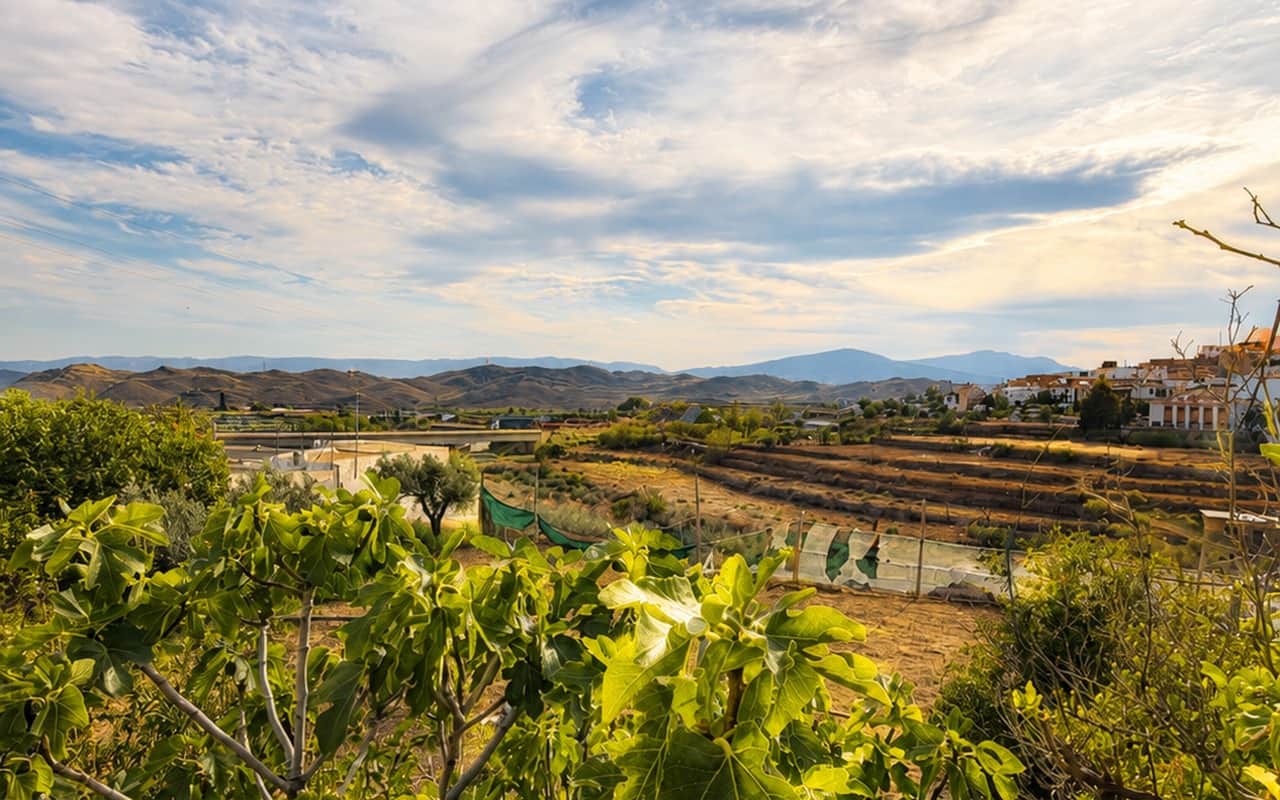
In some places, training means fighting the traffic. The Filabres are the opposite: quiet mountains, with roads where you'll pass more goats than cars. Which is why we see more and more bikes rolling past our front door.
Why these mountains are serious cycling country
Two reasons, and neither is brochure talk. First: the traffic. The roads of the Filabres carry very little of it; between one village and the next you can ride for long stretches without a single car overtaking you. Second: the climbing. The sierra rises from the dry riverbeds of the valley to the replanted pine forests higher up, with two landmarks that rule over everything else: Calar Alto, its summit at 2,168 metres, and Tetica de Bacares at 2,080. Flat road is in short supply here — and if you've come to train, that's good news.
One honest caveat for winter: there can be snow and ice at higher altitudes, so on cold days check the forecast before turning up above 2,000 metres.
The climb to Calar Alto
Calar Alto, the observatory climb
RoadLong climbFinish at 2,168 m
It's one of the well-known long ascents of southern Spain and has featured in the Vuelta a España. We're not going to quote you an average gradient we haven't measured ourselves: it's a long, demanding climb, the kind you pace sensibly from the bottom, and the up-to-date profile is better on Strava, Wikiloc or Komoot than anywhere we could put it.
The reward at the top isn't a café: it's the largest observatory in continental Europe, with telescopes of up to 3.5 metres, planted right on the summit. Not many climbs let you crest between telescope domes.
A warning you'll be glad of up there: above 2,000 metres the temperature is nothing like the valley's, not even in August. Always carry a windproof in your pocket — the descent is a long one.
Gravel: the sierra from the inside
Forest tracks and trails of the Filabres
GravelTracks and riverbedsGPX essential
If gravel is your thing, the whole sierra opens up: forest tracks through the replanted pines higher up, trails linking small villages, and dry riverbeds lower down. More than enough terrain to ride a different route every day of your stay.
One thing, though: signposting is patchy and mobile coverage drops out in places. Always set off with the route downloaded from Wikiloc or Komoot and offline maps. This is not the place to improvise your way home squinting at your phone in the middle of a pine forest.
Tips from people who live at the foot of the sierra
- 1Plenty of water and food. There are very few services between villages: don't count on finding a bar mid-route. Set off with full bottles and something to eat in your pockets.
- 2The sun here is fierce. Sun cream, and in summer start early: the first hours of the day are the best ones.
- 3Respect the climbing. Almost everything heading out of Gérgal towards the sierra goes up. Save enough in your legs to get back.
- 4In winter, watch the tops. There can be snow and ice at higher altitudes. Check the forecast before heading above 2,000 metres.
- 5Coverage is patchy. Route downloaded, offline maps, and if you're riding alone, let someone know which way you're going.
Staying in Gérgal: you roll out from the front door
This is the part where we tell you about our own place, and the logic is simple: Gérgal sits on the inland Almería–Granada road, right at the foot of the Filabres. From our two houses, La Casilla and La Casa de la Abuela on Calle Pilanos, you ride out towards the sierra with no car, no bike rack and no warm-up lap around an industrial estate. The front door, the village's sloping street, and up you go.
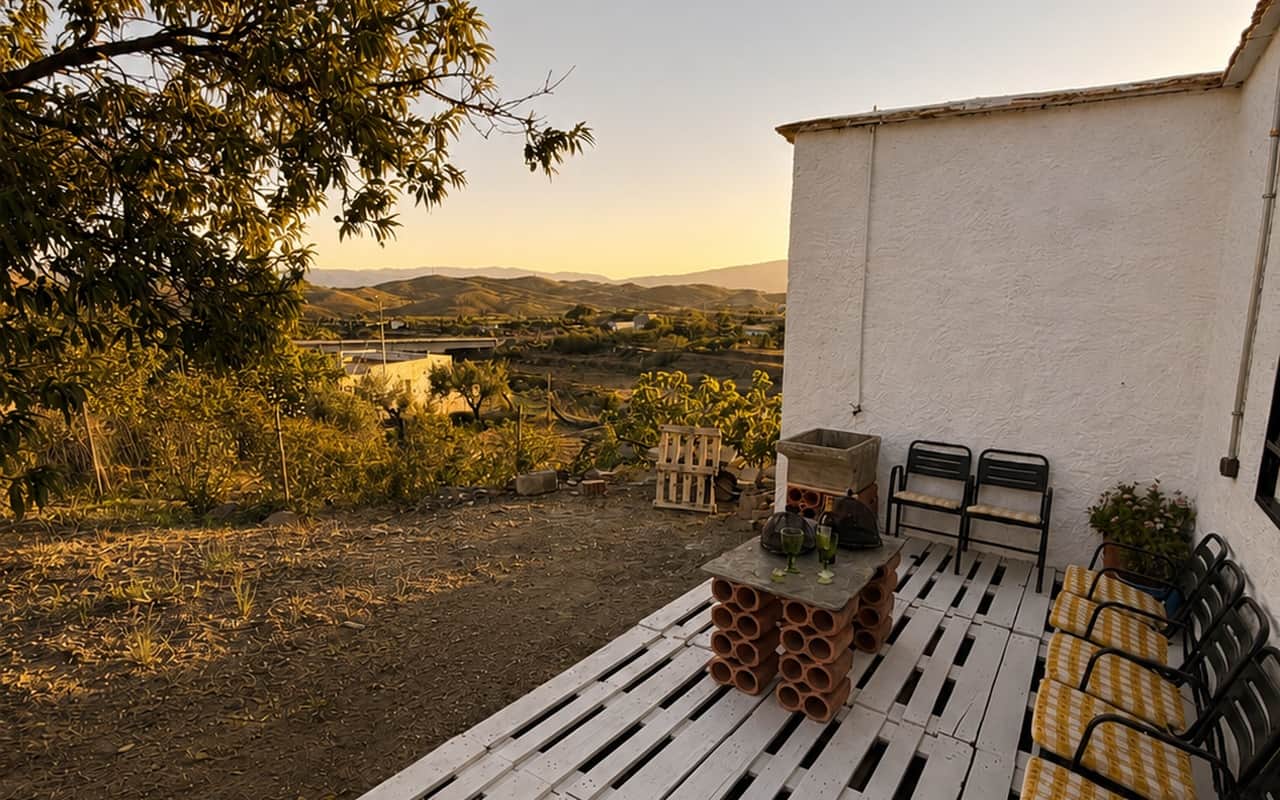
Both houses are fully equipped, have a terrace with views over the valley and welcome dogs, in case your adventure partner has four legs. And for the next day's legs, the village itself makes a decent stroll: steep streets of Moorish origin, white houses and a sixteenth-century castle you admire from the outside.
The perfect rest-day plan: go up Calar Alto at night, without the bike. Visits to the observatory are run by a company called Azimuth — you can't just wander in — and watching the sky from the very climb you've crested on the bike gives the ascent a whole new meaning. If you'd rather stretch your legs on foot, the sierra is for walking too.
Bringing a bike? Drop us a line when you book: [email protected] or WhatsApp +34 694 90 45 91. Tell us what you're bringing and what you need, and we'll talk it through before you arrive.
Ride all day. Rest properly.
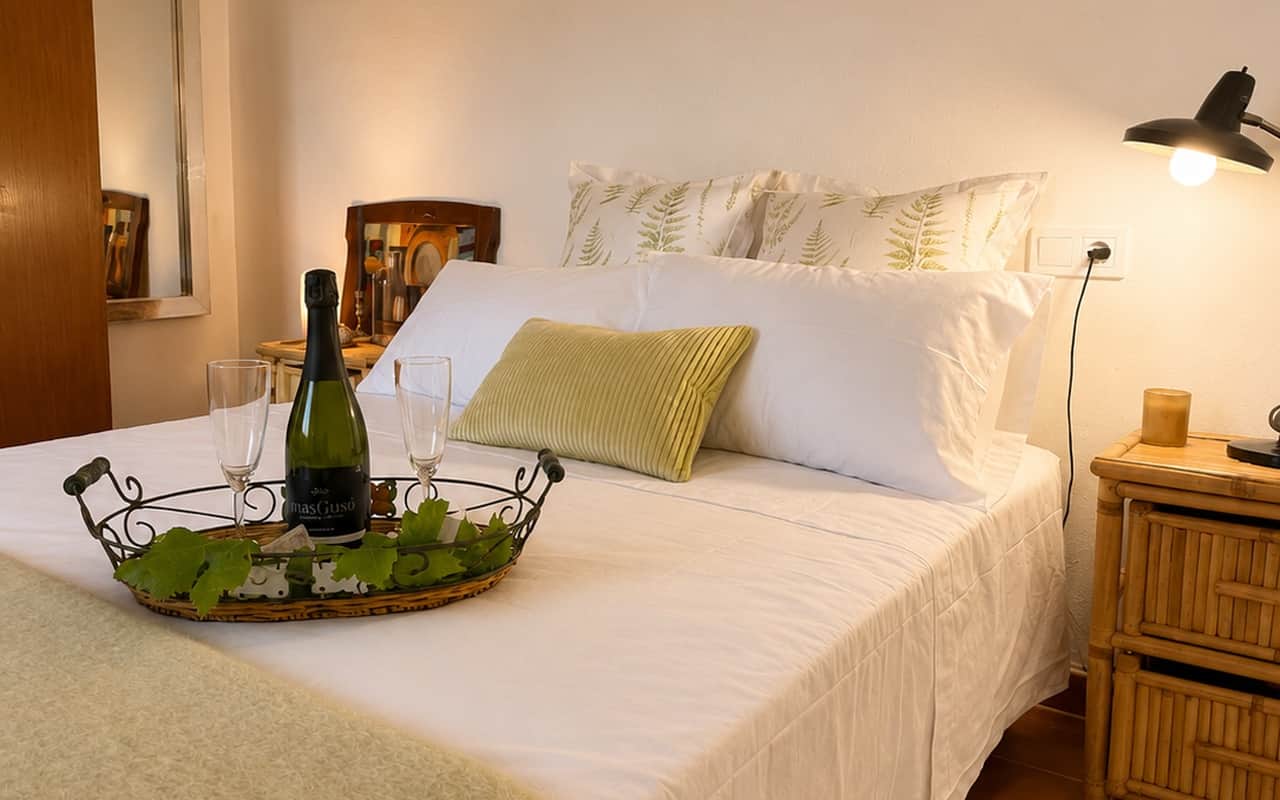
Two houses at the foot of the Filabres: arrive, put the bike together and roll out. Bringing a bike? Tell us when you book.
See the housesGuide written by El Mirador de Gérgal – Rural Living. The state of roads, tracks and services changes with the seasons and the weather: always check up-to-date profiles and routes on Strava, Wikiloc or Komoot, and the forecast, before setting out. Every cyclist is responsible for their own route and their own preparation.