
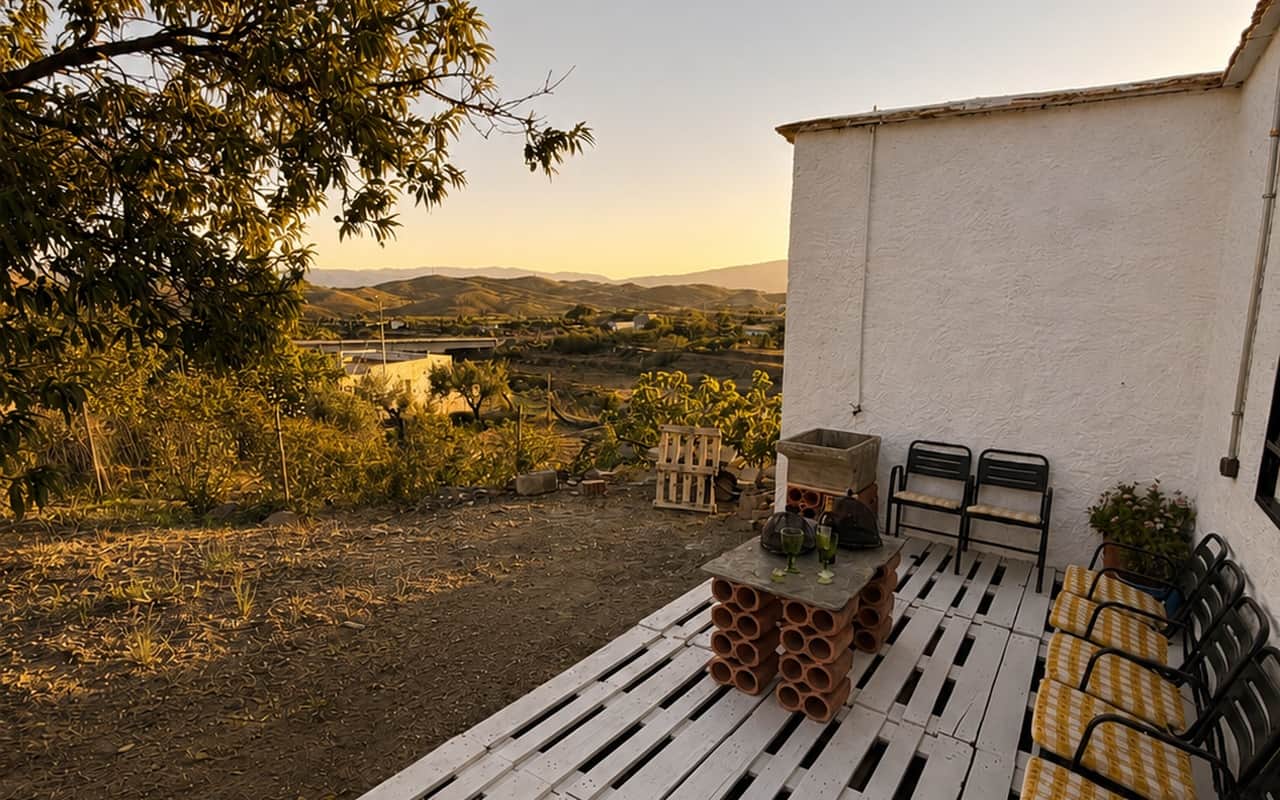
Sierra de los Filabres · Gérgal
Stargazing at Calar Alto
The largest observatory in mainland Europe sits within the municipality of Gérgal. The same village you'll be sleeping in.
Hardly anyone realises this: when you read "Calar Alto Observatory, Gérgal", it isn't a figure of speech. The observatory stands in our municipality, up in the sierra, and from our houses you drive up by the very same road.
A night observation finishes in the small hours, and by then the question is no longer what you've seen: it's how far you are from your bed.
What Calar Alto is
This is no viewpoint with a spyglass: it's a working research centre, with professional telescopes of up to 3.5 metres in aperture.
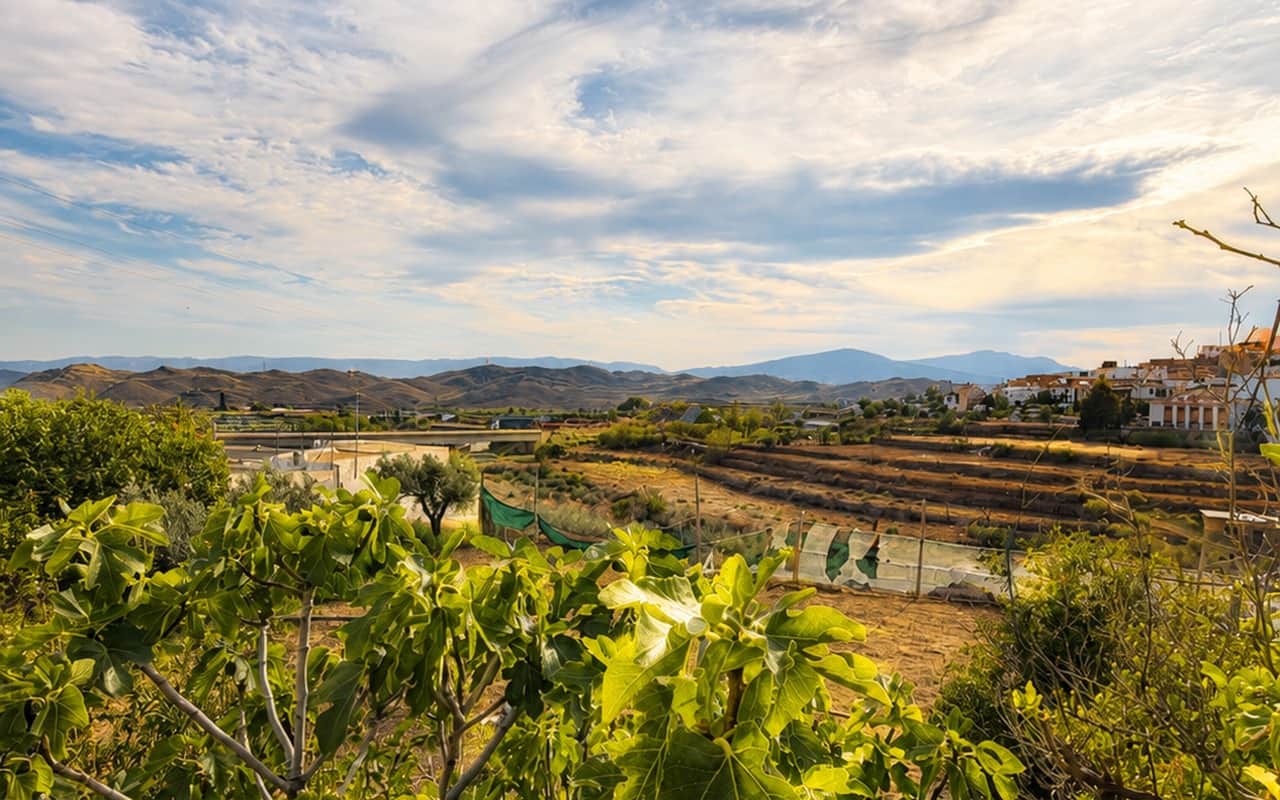
It sits high in the Sierra de los Filabres, at over 2,100 metres — the summit reaches 2,168 m. Up there it's a quiet sierra: high pine forest, roads with barely any traffic, and not much else around.
How to visit
You can visit the observatory, but you can't just turn up. Visits and activities are run by a company called Azimuth, and you need to book ahead.
Their regular activities include:
- "Descubre el cielo de Calar Alto" (discover the Calar Alto sky).
- "Descubre la Luna desde Calar Alto" (discover the Moon).
- "Ventana al Universo" (window on the Universe), this last one using the 1.23-metre telescope.
Dates, times and prices change with the season, so it's best to check them at azimuthspain.com or by emailing [email protected].
Book the visit before you book the house.
Once you have your observation date, fit your stay around it.
When to go
It depends on what you want to see, and it makes a real difference to the experience:
- For stars, nebulae and the Milky Way: nights close to the new moon. With no moon, the sky opens right up.
- For a detailed look at the Moon: exactly the opposite. Around the first quarter, the craters stand out in spectacular relief.
Summer nights are the most comfortable to spend up there, but the winter sky is cleaner and the constellations more striking. If you can pick and choose, a clear night in October or February is hard to beat.
What to bring
- 1Far more warm clothing than you think you'll need. You're at over 2,100 metres, at night, and the domes are kept chilled to the forecast outdoor temperature: it's no warmer inside than out. Even in August, it's another world up there compared with the village.
- 2A red-light torch, if you have one. White light wrecks the whole group's night vision.
- 3Something hot to drink and closed shoes, even if you've spent the day in short sleeves.
- 4A full tank. There's no petrol station at the top.
- 5Your route downloaded. Mobile signal drops out on stretches of the climb.
Why sleep here and not on the coast
You could do the observation from Almería city or from the Poniente, but then you're facing a long drive back over mountain roads after midnight, cold and fighting sleep.
From our houses, you drive down and you're in bed. And there's something no brochure ever mentions: when you step out of the car at the front door, that sky is still above you.
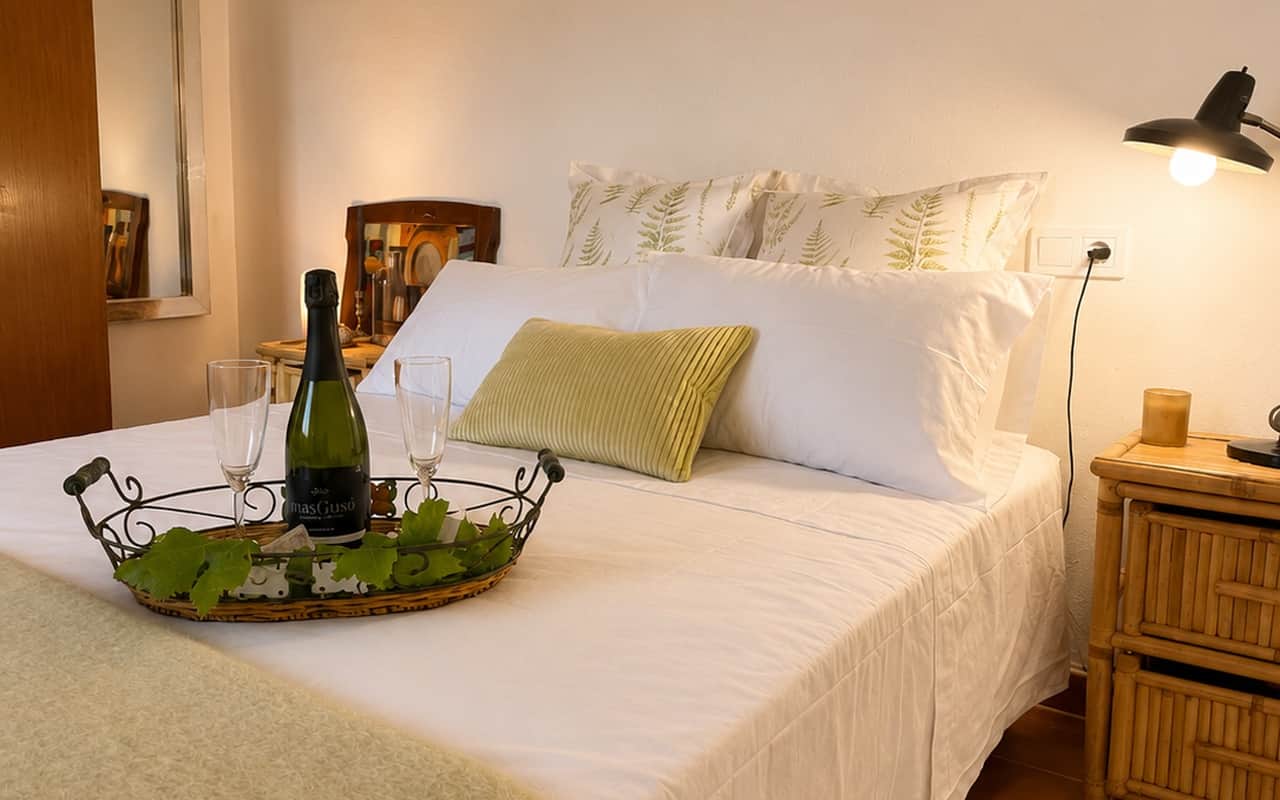
Two houses in Gérgal, at the foot of the sierra
La Casilla and La Casa de la Abuela. Well equipped, with a terrace and views over the valley. Dogs welcome.
Check availabilityDetails of observatory visits, opening times and prices are public information from third parties and may change. Always confirm on the official website before setting out.